
Toilet Training Your Toddler: 5 Evidence-Based Tips from a Board-Certified Behavior Analyst
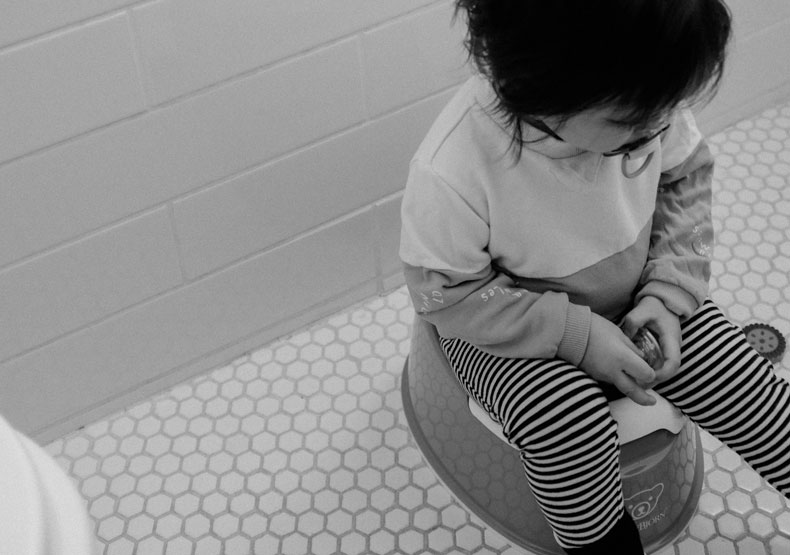
Toilet training a toddler can feel overwhelming, especially when online potty training advice is inconsistent or outdated. Many parents wonder when to start toilet training, how to handle potty training resistance, and what evidence-based toilet training methods actually work. Board-Certified Behavior Analyst Shannon Arthur, PhD, BCBA-D, LABA—who began toilet training children with autism and was later referred by other families for toddler potty training challenges—shares five evidence-based toilet training tips to help your toddler succeed without stress or power struggles.
When Should You Start Toilet Training a Toddler?
While it’s logical for parents to ask if their child is ready, the real question is whether or not the primary caregiver and teacher of the skill is ready to start toilet training a toddler given the effort doing so requires. Ideally, Arthur suggests choosing a three-day weekend or other period where uninterrupted time at home can be guaranteed. And, when you do leave the house, be prepared to schedule regular visits to the toilet with your toddler.
“Don’t put your child in a pull up just because you're going out to dinner,” says Arthur who suggests toilet training toddlers between age 2-3; nighttime continence, which takes longer to achieve, happens on average between ages 3-5.
Evidence-Based Toilet Training Tips That Work
Tip #1: Wear Underwear
Many parents do not want to put their toddlers in underwear until they are toilet trained. According to the research (hers and others’ published in the field), Arthur suggests the opposite.
“Most often, change occurs when toddlers start wearing underwear which contributes to their success” she says, adding that using disposable pull-ups (or reverting to diapers) can actually slow progress. In other words, being wet is an important part of the process!
Tip #2: Be Consistent
Arthur tells parents to expect a three-day pattern when they begin underwear toilet training: The first day, there will be a ton of accidents as toddlers adjust to feeling wet; the second day, kids begin to connect holding it in with staying dry, so there are hardly any accidents; by day three, with reinforcement (see Tip #3), progress continues.
“Within a week, you can expect to see a steady level of progress using the toilet,” says Arthur, who reminds parents that one or two accidents should still be expected. Getting to day three is half the battle—and consistency increases the likelihood of success.
Tip #3: Make the Reward Count
If using a reward (which Arthur recommends), choose something the toddler is not able to access at any other time like in their lunch box or at snack time.
“Something that can be withheld has greater potency as a motivator than something familiar,” says Arthur, pointing to mini marshmallows and M&M as better options than a fruit roll-up if that is a regular food choice. And, as tempting as it might be to use screen time as a reward, five minutes on the iPad can easily backfire—especially once your toddler equates using the potty with earning it."
“If it’s hard for your toddler to give something up, this type of reward can be confusing and actually cause tantrums,” says Arthur, underscoring that most toddlers do not understand the five-minute rule, something she has learned in her clinical experience. Instead, she suggests using something that can be consumed to reinforce toilet training.
Tip #4: Stick to a Schedule
Toddlers thrive on predictability. In the early days of toilet training, take your toddler to the toilet at consistent times—like after meals, before bed, and at regular intervals (every 30-60 minutes to start). Regular bathroom breaks build routine and help children recognize the feeling of needing to go, both of which decrease accidents over time.
“Taking a child to sit [on the toilet] on a schedule provides multiple opportunities to be successful throughout the day,” says Arthur who reminds parents that this schedule can be faded to longer intervals as the child is successful.
Tip #5: Choose the Right Seat
Given the dozens of different potty seats available, finding the one that’s right for your toddler is key. Arthur suggests choosing a simple seat that makes your toddler feel comfortable and grounded, especially if they express fear of “falling in”.
“To be successful when toilet training, children need to relax—especially for bowel movements,” says Arthur who has a clear favorite when it comes to toilet training toddlers: A realistic looking floor potty that encourages independence.
Why Turn to a BCBA for Help Toilet Training?
Toilet training is a major milestone—one that looks different for every child. It’s also a learned behavior.
Turning to a Board-Certified Behavior Analyst for help toilet training your toddler makes sense, as teaching behavior is their core expertise. A BCBA inherently asks: How do we teach the skill and make it stick?
Keen on learning more about toilet training your toddler from a BCBA? Listen to Arthur, in her own words, in this podcast appearance on Skinner's Locker Room: Juggling Motherhood and Behavior Analysis. Or check out this article for help overcoming common toilet training barriers with children of all abilities.
With the right support—and a lot of patience—toilet training your toddler can be a confidence-building experience for you and your child.
Topics/Tags
- Admissions Blog
- Faculty/Staff
- Alumni
- Students
- Partner Spotlight
- Expert Insights
- Press Release
- 50th Anniversary
Follow William James College
Media Contact
- Katie O'Hare
- Senior Director of Marketing and Communications
- katie_ohare@williamjames.edu
- 617-564-9389